Mozart Residence Guide
Visit Mozart's later family home on Makartplatz — the rooms, exhibits, tickets, accessibility and how it compares with the Birthplace.
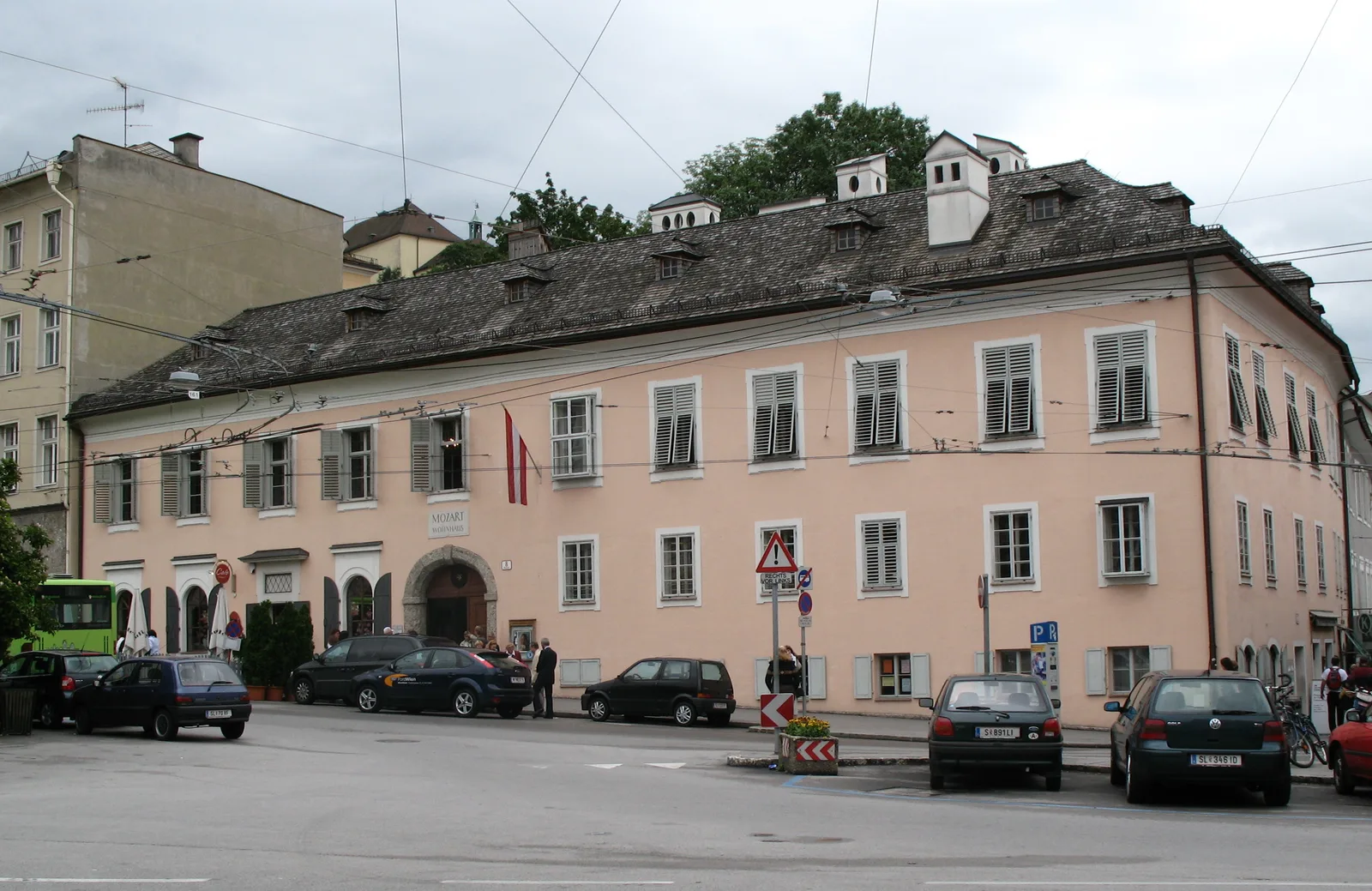
Photo: Andrew Bossi / Wikimedia Commons · CC BY-SA 2.5
- ✓The Mozart family's second Salzburg home, on Makartplatz across the river, where they lived from 1773 — the 'Tanzmeisterhaus'.
- ✓Larger, lighter and quieter than the Getreidegasse Birthplace, with a more modern, spacious presentation.
- ✓Home to original documents and instruments, including the Mozart family's fortepiano, run by the Internationale Stiftung Mozarteum.
- ✓Rebuilt after wartime damage and reopened as a museum in 1996; an audio guide carries the story room to room.
- ✓More accessible than the Birthplace, and easily paired with Mirabell and the Neustadt on the right bank.
The family's grown-up home
By 1773 the Mozarts had outgrown the rented rooms on Getreidegasse. Leopold moved the family across the Salzach to a far larger eight-room apartment on what is now Makartplatz, in a building long known as the Tanzmeisterhaus — the dancing-master's house — after an earlier occupant who taught the gentry to dance. This was the Mozarts' home through Wolfgang's late teens and twenties, the years of growing fame, restless touring and the slow break with Salzburg that ended with his move to Vienna. It is, in a sense, the house where the prodigy became the man.
Where the Birthplace is intimate and a little cramped, the Residence is bright and spacious, and its museum is more modern in feel. That difference is partly history: the building was badly damaged in a 1944 air raid and partly rebuilt, with the museum as we see it reopening in 1996. The Internationale Stiftung Mozarteum runs both houses, so the storytelling is consistent — but the mood here is calmer, the crowds lighter, and the rooms easier to move through.
At a glance
Hours and prices shift seasonally; the practical points below are the durable ones, with anything time-sensitive flagged to verify on the official Mozarteum site.
- Address: Makartplatz 8, Neustadt (right bank).
- Also known as: the Tanzmeisterhaus (Mozart-Wohnhaus).
- Operator: Internationale Stiftung Mozarteum (Mozart Museums Salzburg).
- Open: daily, year-round, with extended summer hours — verify exact times.
- Tickets: single ticket, or a combined ticket with Mozart's Birthplace; reductions for children, students and seniors — verify current prices.
- Salzburg Card: admission is commonly included; confirm on the current card terms.
- Time needed: about 45–60 minutes, audio guide included.
- Accessibility: more accessible than the Birthplace — check current lift and step details with the museum if needed.
What you see inside
The Residence is the document-and-instrument house. Its centrepiece is the original Mozart family fortepiano, the keyboard on which Wolfgang played and composed, alongside historic violins and the family's instruments. The collection is rich in primary material: portraits, the famous family correspondence, manuscripts and personal effects that chart the Mozarts' fortunes through the 1770s and beyond. Because the rooms are larger, the exhibition has space to breathe, with thematic displays and an audio guide that walks you through the family's life here scene by scene.
Two threads stand out. The first is family: the letters between Leopold, Wolfgang and his sister Nannerl, full of money worries, ambition and affection, are some of the most revealing documents in all of music. The second is departure — this is where you feel Mozart straining against provincial Salzburg and its prince-archbishop, the tension that finally sent him to Vienna. Standing in these comfortable, light-filled rooms, you understand both why the family was proud of the address and why it could not hold him.
Residence versus Birthplace
The two houses tell two halves of one story, and they are deliberately different visits. The Birthplace on Getreidegasse is older, smaller, busier and more atmospheric — the room where he was born, on the city's most famous lane. The Residence is later, larger, lighter and quieter, with arguably the more important single object in the family fortepiano. Neither is a substitute for the other; together they trace the arc from the cradle to the brink of the Vienna years.
Choosing between them comes down to time, crowds and mobility. Short on time and want the iconic moment? The Birthplace. Want space, calm, the fortepiano and an easier walk-through? The Residence. Doing the full Mozart pilgrimage? Buy the combined ticket and visit both, with the river crossing as a pleasant interlude. The Residence also pairs naturally with Mirabell, since both sit on the right bank within a short stroll.
Tickets, the Salzburg Card and getting there
As with the Birthplace, tickets are sold at the door, and the combined two-house ticket is the smart buy if you intend to see both. Reduced and family rates apply; check the current prices on the Mozarteum's site, since the museums revise them periodically. The Salzburg Card commonly includes entry to both Mozart houses among its one-time free admissions — if you are sightseeing hard across a day or two, the card can pay for itself, but confirm the current inclusions before assuming.
The Residence stands on Makartplatz, an easy fifteen-to-twenty-minute walk from the Old Town across one of the pedestrian bridges, and just a couple of minutes from Mirabell Gardens. That makes it simple to slot into a right-bank afternoon: Mirabell at opening, the Residence next, then a coffee in the Neustadt. Because it is quieter than the Birthplace, you have more freedom over timing, though late morning still sees the most visitors.

Accessibility and who should visit
The Residence is the more accessible of Salzburg's two Mozart houses — its rebuilt, modern interior is easier to move through than the Birthplace's steep historic staircases. If you or someone in your party can't manage several flights of narrow stairs, this is the house to prioritise; confirm current lift and step arrangements directly with the museum if accessibility is essential to your visit.
It suits anyone who finds the Birthplace too cramped or too crowded, serious enthusiasts who want the fortepiano and the documents, and visitors basing their day on the right bank around Mirabell. Casual visitors get the essence in under an hour with the audio guide; music lovers can happily linger longer over the manuscripts and instruments. Children find the audio-guided format and the real instruments approachable.
Questions visitors ask
Is the Residence the house where Mozart was born? No — that is the Birthplace on Getreidegasse. The Residence is the family's later, larger home on Makartplatz, lived in from 1773. Was it really lived in by Mozart, given it was bombed? Yes; the family lived here in the eighteenth century, the building was damaged in 1944 and partly rebuilt, and the museum reopened in 1996 in the restored house.
Do I need both houses? Not necessarily — pick one if time is tight, or take the combined ticket for the full story. Is it worth visiting after the Birthplace? Yes, if you want the fortepiano, the documents and a calmer, roomier experience; the two complement rather than repeat each other. How long does it take? Around 45–60 minutes with the included audio guide.
Related guides
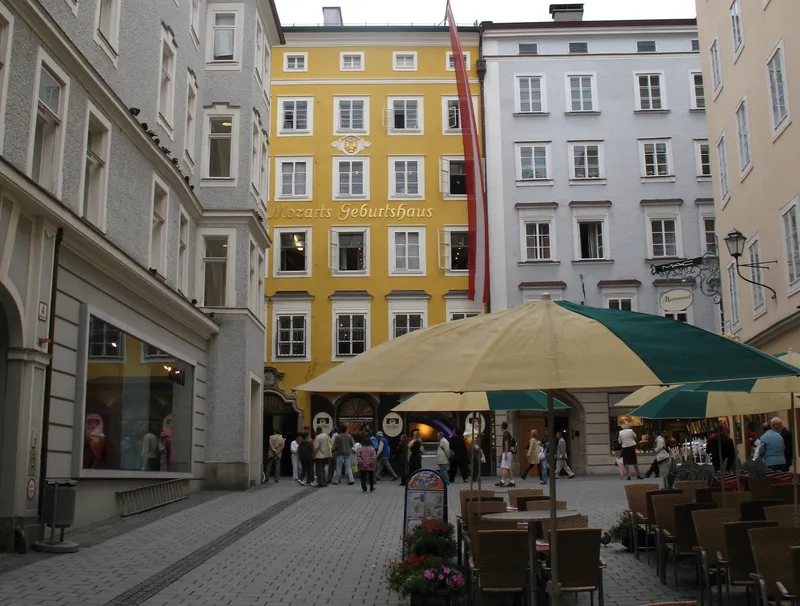
Mozart's Birthplace Guide
Tickets, rooms, exhibits, accessibility limits, Getreidegasse context and who should plan a visit to the house where Mozart was born.
Read guide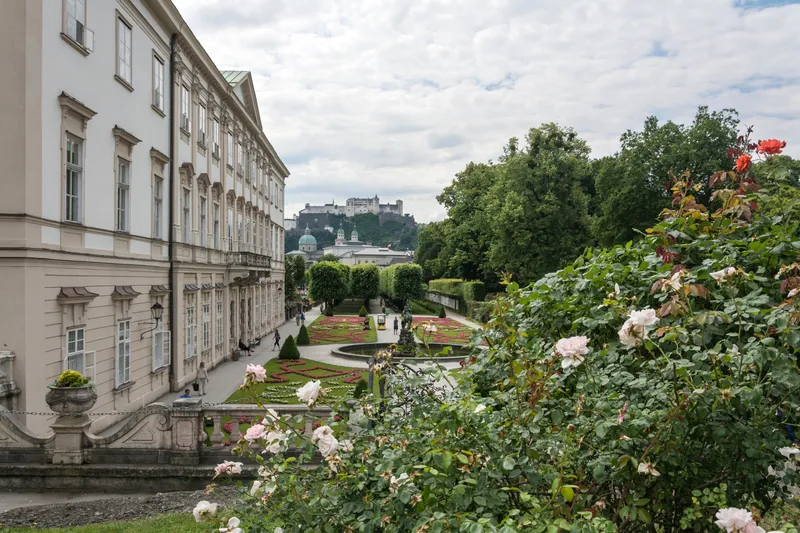
Mozart in Salzburg
A practical guide to Mozart's Salzburg — the two family houses, the churches and squares, the concerts worth booking and the seasons that matter.
Read guide
Mirabell Palace and Gardens Guide
Visit Mirabell Gardens and Palace — the Baroque parterre, Pegasus Fountain, the Sound of Music steps, the Marble Hall and the best time of day to go.
Read guideMore in Mozart & Music
6
Best Mozart Concerts in Salzburg
Compare fortress concerts, Mirabell concerts, dinner concerts, church music and Festival options to find the right Mozart evening.
Read guide
Mozart Dinner Concert Guide
Who should book a Mozart dinner concert in Salzburg, what to expect, dress, menu caveats and the alternatives worth weighing.
Read guide
Salzburg Concerts Guide
Mozart dinners, fortress concerts, Mirabell concerts, cathedral music, Festival options and how to choose the right night for you.
Read guide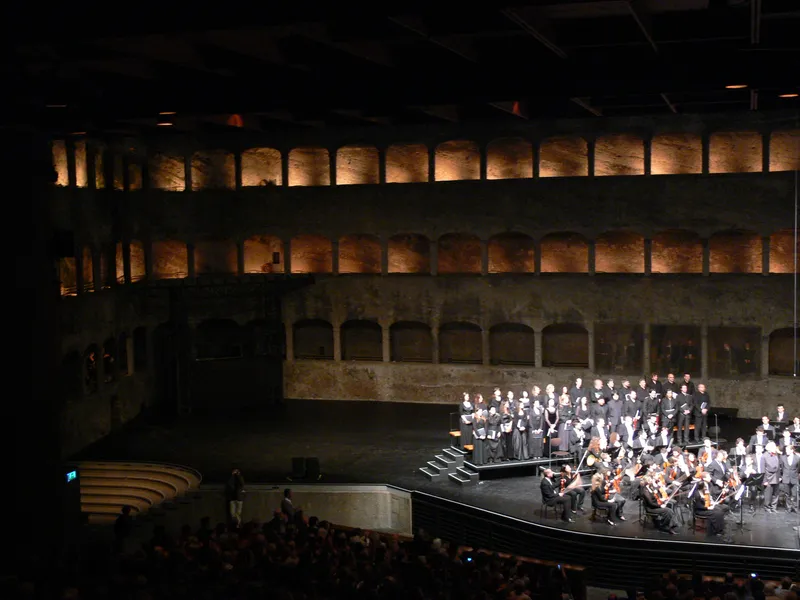
Salzburg Festival Venues Guide
Felsenreitschule, Großes Festspielhaus, Haus für Mozart, Domplatz and how venue location shapes your Festival night.
Read guide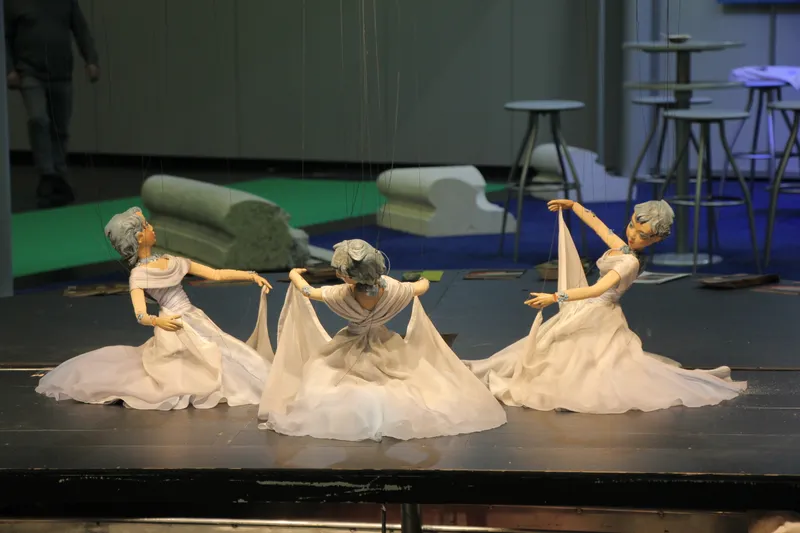
Salzburg Marionette Theater Guide
How to visit the historic Salzburg Marionette Theater — family fit, Mozart and Sound of Music productions, tickets and what to expect.
Read guide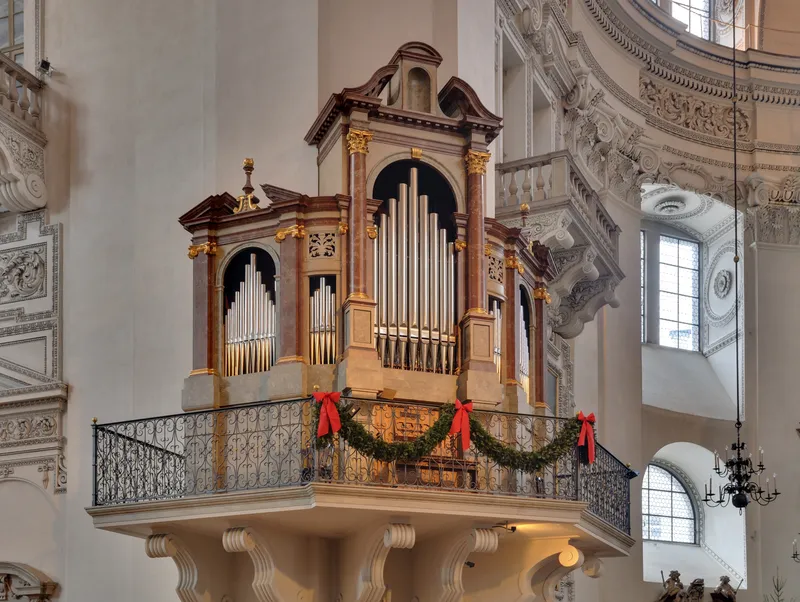
Salzburg Music History
A visitor-friendly history of Salzburg's musical identity — the prince-archbishops, cathedral and church music, Mozart, the Mozarteum, the Festival and the city's living concert life.
Read guide