Fine Dining in Salzburg
Tasting menus, hotel dining rooms and special-occasion tables in Salzburg — how the scene works, what to book and when to reserve around the Festival.

Photo: Julien Sarazin / Unsplash
- ✓Salzburg's fine dining splits between ambitious hotel restaurants, established Old Town rooms and a few destination kitchens that draw on Alpine and Salzkammergut produce.
- ✓Lake fish, mountain game, Styrian pumpkin-seed oil and Austrian wine (Grüner Veltliner, regional reds) anchor the serious local cooking.
- ✓The grand hotels — Sacher, Goldener Hirsch and the lake-view Schloss Leopoldskron set — concentrate much of the city's high-end dining.
- ✓Reserve well ahead in Festival season and Advent; tasting-menu tables and the best hotel rooms book out weeks out at the peaks.
- ✓Treat a tasting menu as the evening's centrepiece — clear the calendar, choose a wine pairing, and let it run long.
How fine dining works in Salzburg
Salzburg is a small city with an outsized cultural calendar, and its fine-dining scene is shaped by that fact. There isn't a sprawling restaurant district of starred rooms; instead the high end concentrates in a handful of places — the dining rooms of the grand hotels, a few long-established Old Town institutions, and a small number of ambitious kitchens that build menus around the exceptional produce on the city's doorstep. The Salzkammergut lakes supply trout and char; the mountains bring game and Alpine cheese; neighbouring Styria sends its dark, nutty pumpkin-seed oil; and Austria's vineyards fill the wine list. The best tables read that larder closely and cook with the seasons.
This guide explains how the scene is organised rather than chasing a leaderboard of stars, because rankings shift and chefs move. It covers the hotel dining rooms, the destination kitchens and the special-occasion classics, with practical notes on reserving around the Festival, on wine pairings and on what to expect from a tasting menu here. For the romance-led angle on a big night, pair it with the romantic-restaurants guide; for the wider table, start at the food-and-drink hub.
At a glance
Orientation for a high-end meal. These are evergreen notes on how the scene works — confirm current menus, prices and bookings directly, as kitchens and chefs change.
- Where it lives: grand-hotel dining rooms, established Old Town restaurants and a few destination kitchens.
- What it cooks: Alpine and Salzkammergut produce — lake fish, game, mountain cheese — alongside refined Austrian classics.
- The flagships: hotel restaurants such as those at the Sacher and Goldener Hirsch, and lake- and garden-view settings around Leopoldskron.
- The format: multi-course tasting menus with optional wine pairings, plus shorter à la carte options at most rooms.
- Wine: a strong Austrian list is the norm — Grüner Veltliner, Riesling, and reds like Blaufränkisch and Zweigelt.
- Booking: essential, and weeks ahead during the Festival (July–August) and Advent; lunch can be easier than dinner.
- Dress: smart; jackets are welcome though rarely strictly required — confirm if it matters to you.
- Verify: opening days, tasting-menu pricing and any seasonal closures on each venue's own site.
The grand hotel dining rooms
Much of Salzburg's high-end dining sits inside its landmark hotels, and they're a reliable place to start. The Hotel Sacher on the river — sibling to the Vienna original behind the famous Sachertorte — keeps formal dining rooms with Salzach views, and the Goldener Hirsch, a centuries-old inn on Getreidegasse now run as a luxury hotel, has long been a name for refined Austrian cooking in the heart of the Old Town. These rooms suit travellers who want polish, a deep wine list and the assurance of a well-drilled kitchen, and they're an easy match for a Festival night when you're already dressed for the opera.
The advantage of hotel dining is consistency and service; the trade-off is that it can feel less personal than a chef-led independent. Many of these rooms also do a more relaxed lunch, which is a smart way to experience the cooking at a gentler price and pace than a full dinner. Reserve ahead in season, and if you're staying somewhere grand, ask the concierge to book — they hold relationships that smooth a busy night. The luxury-hotels page covers the addresses themselves in detail.
Destination kitchens and the produce edge
Beyond the hotels, Salzburg's most interesting fine dining comes from kitchens that lean into the region's larder. The Salzkammergut lakes — Wolfgangsee, Fuschlsee, Mondsee and their neighbours — yield some of Austria's best freshwater fish, and a serious local menu will treat a fillet of char with real respect. Game from the surrounding forests appears in autumn, Alpine cheeses and mountain herbs run through the year, and the wine list almost always foregrounds Austrian growers. The result, at its best, is cooking that tastes specifically of this corner of the Alps rather than of an international template.
Some of these destination tables sit just outside the city, around the lakes or in the hills, where a meal becomes a small excursion — worth it for a special occasion if you have a car or don't mind a taxi. In the city itself, look for the smaller chef-led rooms and modern Austrian bistros that change their menus with the season. Because the scene is compact, the best of these book up fast; reserve as soon as your dates are set, and ask about the tasting menu when you call. The day-trips and Salzkammergut pages help if you want to pair a meal with a lake.


Tasting menus and wine pairings
A tasting menu is the natural shape of a fine-dining night here, and it asks for a little planning. These are long, multi-course meals built around the season, often with a vegetarian alternative if you ask in advance, and they reward an unhurried evening — block the whole night rather than squeezing the dinner before a late event. Most kitchens offer an optional wine pairing, which is the best way to explore the Austrian list without choosing bottle by bottle; if you'd rather drink lightly, ask for a by-the-glass selection or a non-alcoholic pairing, which good rooms increasingly offer.
Flag dietary needs when you book, not on arrival — tasting menus are planned ahead, and a kitchen can do far more with notice. If you're celebrating, say so; many rooms will mark an anniversary or birthday gracefully. And consider lunch: a tasting or set lunch is often a more affordable, more relaxed way into a top kitchen than dinner, with the same hands in the pass. For the full romantic build-around-dinner plan, the date-night and romantic-restaurants pages take it from here.

The historic classics for a special night
Alongside the modern kitchens, Salzburg keeps a set of historic special-occasion tables that aren't chasing avant-garde plating but deliver atmosphere and well-executed Austrian cooking in extraordinary rooms. The St Peter Stiftskulinarium, inside the abbey at the foot of the Mönchsberg, is the headline: rock-cut cellars and a Baroque hall, a thousand years of history and the candlelit Mozart Dinner. It isn't fine dining in the tasting-menu sense, but for many travellers it's the most memorable meal of the trip, and it suits a big occasion better than a more clinical room would.
These classics are the right call when the setting matters as much as the cooking — an anniversary, a Festival night, a celebration with parents or grandparents who'd rather have a comfortable, generous Austrian dinner than a fourteen-course odyssey. They also tend to be more forgiving on timing and dress than a destination tasting room, and easier to book a larger table at. Read the Stiftskulinarium page for the rooms and the Mozart Dinner, and the romantic-restaurants guide for the wider field of atmospheric tables.
Reserving around the Festival
Timing is everything in Salzburg, because the Salzburg Festival in late July and August turns the city into one of Europe's busiest cultural destinations, and the Advent weeks bring a second peak. In both windows the best tables — hotel rooms and destination kitchens alike — fill weeks ahead, often with festival-goers booking dinner around performance times. If you're visiting then, reserve as early as you possibly can, and expect the early and very late dinner slots to go first as the opera calendar shapes the evening.
Outside the peaks the city breathes easier and good tables are far more attainable, sometimes with only a few days' notice — the shoulder seasons of late spring and early autumn are a sweet spot for fine dining, with the lakes still producing and the crowds thinner. Whenever you go, confirm opening days (some kitchens close early in the week) and any seasonal closures, and verify tasting-menu prices on the venue's own site rather than trusting an aggregator. The Festival guide and the luxury-hotels page round out a high-end Salzburg trip.


Related guides

Luxury Hotels in Salzburg
Grand riverside landmarks, palace stays, Festival splurges, spa floors and discreet luxury bases — how Salzburg's top hotels differ, and how to choose by view, location and the kind of evening you want.
Read guide
Romantic Restaurants in Salzburg
Dinner for two in Salzburg — historic cellars, river-view tables, Mozart nights, Festival evenings and the Old Town's most atmospheric rooms.
Read guide
Salzburg Festival Guide
The complete first-timer's guide to the Salzburg Festival — when it runs, the venues, how tickets work, what to wear, dinner timing, the free screens and a strategy for getting the most from a Festival trip.
Read guideMore in Food & Drink
6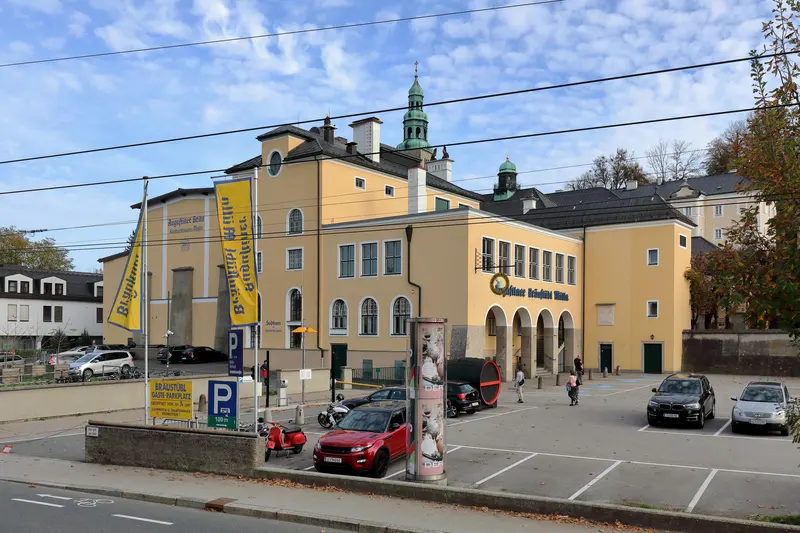
Augustiner Bräu Mülln guide
A full guide to Salzburg's great monastery beer hall — the barrel-poured beer, the stone mug ritual, the food stalls, the chestnut garden, timing and how to do it right.
Read guide
Best Bars in Salzburg
Where to drink in Salzburg after dark — cocktail bars, wine bars, hotel lounges, beer halls, student nightlife and quiet candlelit corners for a low-key evening.
Read guide
Best beer halls in Salzburg
A guide to Salzburg's beer halls and gardens — from the monastery barrels of the Augustiner to the Stiegl world, the city taverns and the etiquette that ties them together.
Read guide
Best Restaurants in Salzburg
A traveller-ready way to choose where to eat in Salzburg — sorted by area, mood and budget, with honest notes on Festival-season demand and when you genuinely need to reserve.
Read guide
Breakfast and brunch in Salzburg
How to start the day in Salzburg — grand coffeehouse breakfasts, hotel buffets, bakery mornings, market stalls and quick meals before an early train or day trip.
Read guide
Budget Eats in Salzburg
Bakeries, market stalls, sausage stands, picnic ideas, casual Austrian lunches and station food — how to eat well in Salzburg without spending much.
Read guide