Mozart & Music Itinerary
A music-led day through Salzburg — both Mozart houses, the cathedral and abbey where he played, the Mozarteum and Marionette Theater, and an evening concert chosen by setting, not just programme.

Photo: Simone Fischer / Unsplash · Unsplash License
- ✓One full day links Mozart's two houses, the churches he played in, the Mozarteum and the Marionette Theater, then closes with an evening concert.
- ✓The Birthplace on Getreidegasse and the later Mozart Residence on Makartplatz tell two halves of one family story — do both, in that order.
- ✓Salzburg Cathedral and Nonnberg-area churches put Mozart's sacred music in the rooms it was written for; many recitals are free or low-cost.
- ✓Concert formats differ by setting — fortress concerts, Mirabell chamber concerts and Mozart dinner-concerts — so choose by atmosphere as much as repertoire.
- ✓January's Mozart Week is the connoisseur's season; the Festival owns high summer, when you must book far ahead.
A city that thinks in music
Salzburg's key signature, as we like to say, is Baroque in B-flat. Mozart was born here in 1756, and the city has spent the centuries since making sure you cannot forget it — but the good news for a music lover is that the Mozart trail is genuinely rich rather than merely souvenir-deep. In a single, well-paced day you can stand in the room where he was born, see the keyboards his family played, hear his sacred music under the dome it was composed for, and end the night at a concert in a hall built for the purpose. This plan threads those together so you walk smart and never double back across the river.
Treat it as a sketch, not a timetable. Opening hours, ticket prices and concert programmes change with the season, and the Festival and Mozart Week rewrite the calendar entirely — confirm each museum, church recital and concert directly before you go. Start with the Mozart hub if you want the full background on the houses and the concert formats; come back here to string them into a day.

At a glance
A quick orientation before the hour-by-hour. The route runs left bank in the morning, crosses the river at midday, and returns for an evening concert — so you only cross the Salzach twice.
- Shape: one full day — two Mozart houses, the Dom and a church or two, the Mozarteum and marionettes, then a concert.
- Order: Birthplace (Getreidegasse) first, Residence (Makartplatz) second; the family story reads better that way.
- Free or low-cost music: church recitals and organ music at the cathedral often cost little or nothing — check posted times.
- Book the evening: fortress, Mirabell and dinner-concert tickets sell ahead in summer; choose by setting as much as programme.
- Best seasons: January's Mozart Week for depth and calm; high summer for the Festival, with months of lead time.
- Verify everything: museum hours, recital times, concert programmes and prices all change — confirm directly.
Morning — the two Mozart houses
Begin where it began, at No. 9 Getreidegasse. Mozart was born in this tall, ochre-yellow townhouse in 1756, and the museum here — running in some form since 1880 — keeps childhood instruments, family portraits and letters that make the prodigy feel like a person rather than a legend. Go early, before Getreidegasse fills with shoppers reading the wrought-iron guild signs overhead, and give yourself unhurried time with the rooms rather than racing the crowd. This is the emotional heart of the whole day.
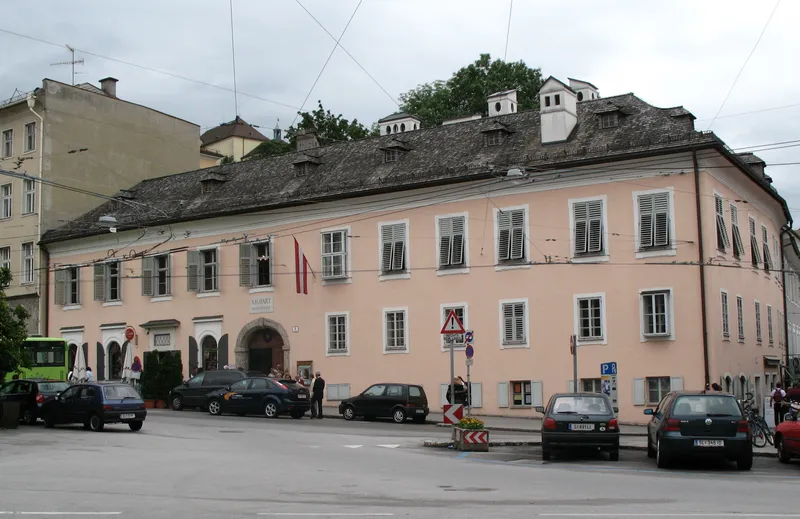
Then cross the river to the second house. The Mozart Residence on Makartplatz is where the family moved in 1773 for more space, and it tells the later, more grown-up half of the story — the touring years, the tensions with the prince-archbishop's court, the music of a young professional rather than a child star. Walking from the cramped Birthplace to the roomier Residence is the cleanest way to feel the family's rise, which is exactly why we send you in that order. Break for coffee and cake at one of the historic coffeehouses between them; the day is long, and Salzburg believes in pauses.
- Mozart's Birthplace, Getreidegasse 9 — go at opening to beat the shopping crowds.
- Mozart Residence, Makartplatz — the later, roomier family home across the river.
- Do them in order, Birthplace then Residence, to feel the family's rise.
- Coffeehouse pause between the two — Salzburg paces a day around cake.


Midday — the churches and the cathedral
Mozart was not only a museum exhibit; he was a working church musician, and Salzburg's sacred buildings put his music back in context. Salzburg Cathedral — the great Italian-Baroque Dom on Domplatz — is where he was baptised and where he later served as court and cathedral organist, writing sacred works for its very acoustics. Slip inside at a quiet hour, or time a visit to one of the organ recitals or church-music programmes that fill the nave with the sound it was designed for. Much of this music is free or low-cost; the city keeps a long tradition of sacred concerts alive.
From the Dom, the Old Town's other churches sit within a few minutes' walk. St Peter's, with its abbey and the cliff-side cemetery, hosts choral and sacred concerts in a setting older than almost anything around it. Up the hill, Nonnberg Abbey — the working Benedictine convent above the Old Town — adds another layer of the city's musical and religious history. You do not need to enter every door; the point of the midday stretch is to let the sacred music breathe between the museum mornings and the concert night, in the rooms it actually belongs to.
- Salzburg Cathedral — Mozart's baptism church and later his organ loft; listen for posted recitals.
- St Peter's Abbey — choral and sacred concerts in one of the oldest corners of the city.
- Sacred music is often free or low-cost; check posted times rather than assuming a ticket.
- Keep this stretch gentle — it bridges the museum morning and the evening concert.


Afternoon — the Mozarteum and the marionettes
The afternoon is for the living institutions that keep Mozart's music in performance rather than under glass. The Mozarteum, near the Mirabell side of the river, is the foundation and conservatory that researches, archives and performs his work; its concert halls host serious recitals, and the Magic Flute House and gardens nearby are part of the same world. Even if you are not at a performance, the area is a calm, music-soaked corner to walk before the evening.
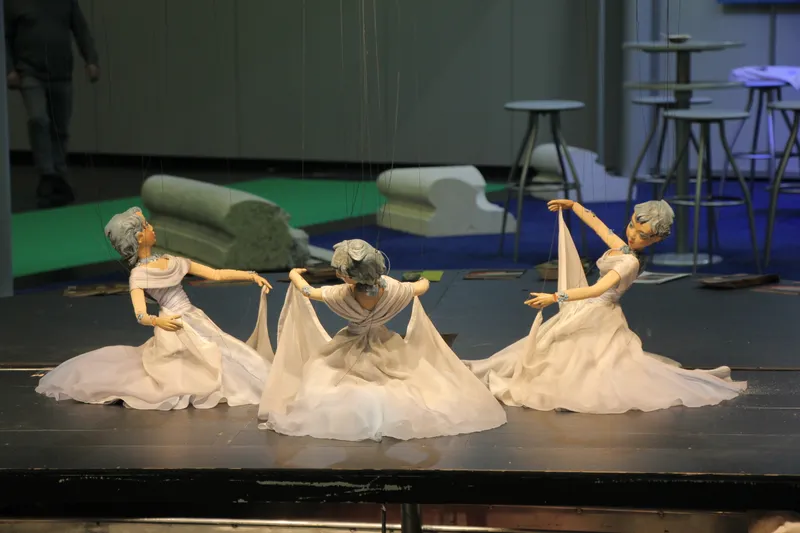
For a lighter, genuinely Salzburg note, the Marionette Theater stages Mozart operas — The Magic Flute above all — with hand-crafted puppets and full recorded scores, a tradition more than a century old. It sounds like a children's diversion and is in fact a craft taken with complete seriousness; opera lovers are often the ones most charmed. Match your afternoon to your taste: a recital at the Mozarteum for purists, a marionette opera for delight, or simply a slow walk through the Mirabell Gardens — whose Marble Hall hosts the chamber concerts you might choose for tonight.
- Mozarteum — the foundation and conservatory; check its halls for an afternoon recital.
- Marionette Theater — Mozart operas with hand-carved puppets, a craft taken seriously.
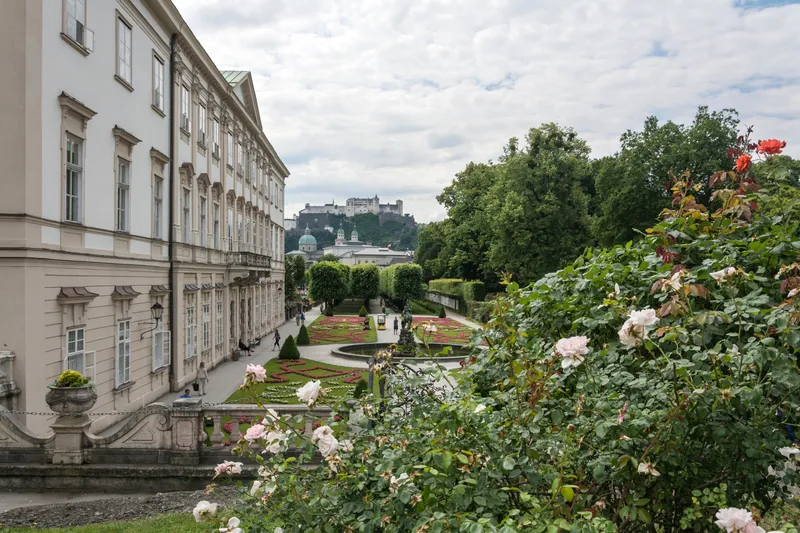
- Mirabell Gardens — a calm walk, and the Marble Hall where chamber concerts are held.
- Pick by mood: purist recital, charming marionette opera, or a quiet garden stroll.

Evening — choose your concert by its setting
Salzburg's evening concerts are not interchangeable, and choosing well is the difference between a postcard and a memory. The Mirabell chamber concerts fill the palace's Marble Hall — an intimate, candlelit room built for perhaps a few dozen listeners — with Mozart string and keyboard works; it is the most romantic option and the easiest to love. Fortress concerts trade intimacy for spectacle, pairing a meal or a recital with the floodlit Old Town spread out below. Mozart dinner-concerts, set in Baroque halls, fold a period-costumed performance into a three-course evening for those who want one booking to carry the whole night.
Choose by atmosphere first and programme second — all three lean on the core Mozart repertoire, so the room is what you will remember. Book ahead, especially in summer, and dress for the occasion. If your visit happens to fall in late January, the Mozart Week festival layers a week of world-class programming over all of this; if it falls in high summer, the Festival does the same at an even grander scale and price. Either way, end the night with the short walk back through the quiet, lamplit squares — the best free encore the city offers.
- Mirabell Marble Hall — intimate, candlelit chamber concerts; the romantic choice.
- Fortress concert — spectacle and the floodlit Old Town below, often paired with a meal.
- Mozart dinner-concert — period-costumed performance folded into a three-course night.
- Book ahead in summer; if your dates align, Mozart Week (January) or the Festival (summer) raise the whole game.

Related guides
Mozart in Salzburg
A practical guide to Mozart's Salzburg — the two family houses, the churches and squares, the concerts worth booking and the seasons that matter.
Read guide
Salzburg Concerts Guide
Mozart dinners, fortress concerts, Mirabell concerts, cathedral music, Festival options and how to choose the right night for you.
Read guide
Best Mozart Concerts in Salzburg
Compare fortress concerts, Mirabell concerts, dinner concerts, church music and Festival options to find the right Mozart evening.
Read guideMore in Itineraries
6
A Weekend in Salzburg
A Friday-to-Sunday plan for Salzburg with hotel-area logic, concert timing, the best viewpoints, where to eat and a soft day-trip choice for Sunday.
Read guide
Four Days in Salzburg
A slower four-day Salzburg plan that adds museums, quieter neighbourhoods, a Sound of Music morning and two day-trip options to the classic city core — paced for travellers who want to live in the city rather than sprint through it.
Read guide
Luxury Salzburg Itinerary
A high-end three-day Salzburg plan built around grand hotels, private guides, fine dining, a chauffeured lake day and concert nights — the city at its most unhurried and elegant, with everything booked ahead.
Read guide
One Day in Salzburg
A realistic, walkable one-day route through Salzburg — the Old Town squares, the fortress, a Mozart sight, Getreidegasse and Mirabell at golden hour — paced so you actually enjoy it rather than sprint.
Read guide
Salzburg Christmas Market Itinerary
A festive Salzburg plan for the Advent season — the Christkindlmarkt on the cathedral squares, smaller side markets, Advent music, warm coffeehouses, a candlelit Hellbrunn evening and the best floodlit viewpoints.
Read guide
Salzburg Festival Itinerary
How to build a trip around the Salzburg Festival — booking ahead, shaping the day around performances, balancing opera and drama with sightseeing, choosing meals and a hotel, and pacing in rest so the culture lasts.
Read guide